



“Lest We Forget”
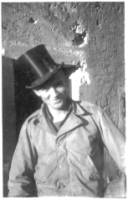
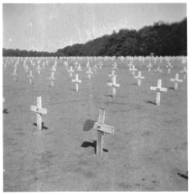
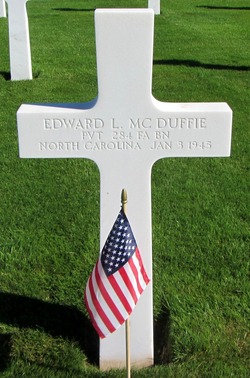
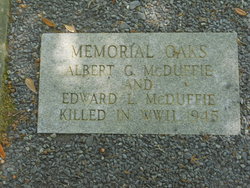
PVT. EDWARD L.
McDUFFIE, Service Btry, aged 19, (13 July 1925) was killed on January 3, 1945. He was fatally wounded in
a souvenir pistol accident in his billet at Petite-Hetang, France. Pvt. McDuffie
is buried in the Luxembourg American Cemetery, Luxembourg City, Luxembourg.
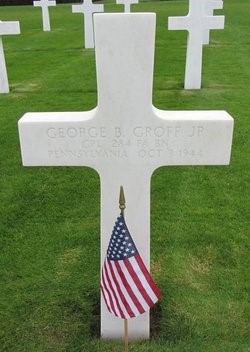
CPL. GEORGE B.
GROFF, JR., Btry “C”, aged 19 (18 September 1925), was killed in action on October 3, 1944. He was killed
while on an observer mission during the assault on Fort Driant. The battalion
was part of “Task Force Warnock” which was created to assault and capture
Fort Driant, one of the strongest of the Metz forts. (After-action report) He is
buried in the Luxembourg American Cemetery, Luxembourg. CPL. GROFF was awarded
the Purple Heart.
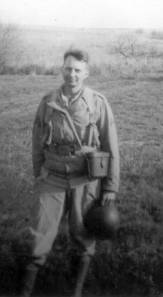
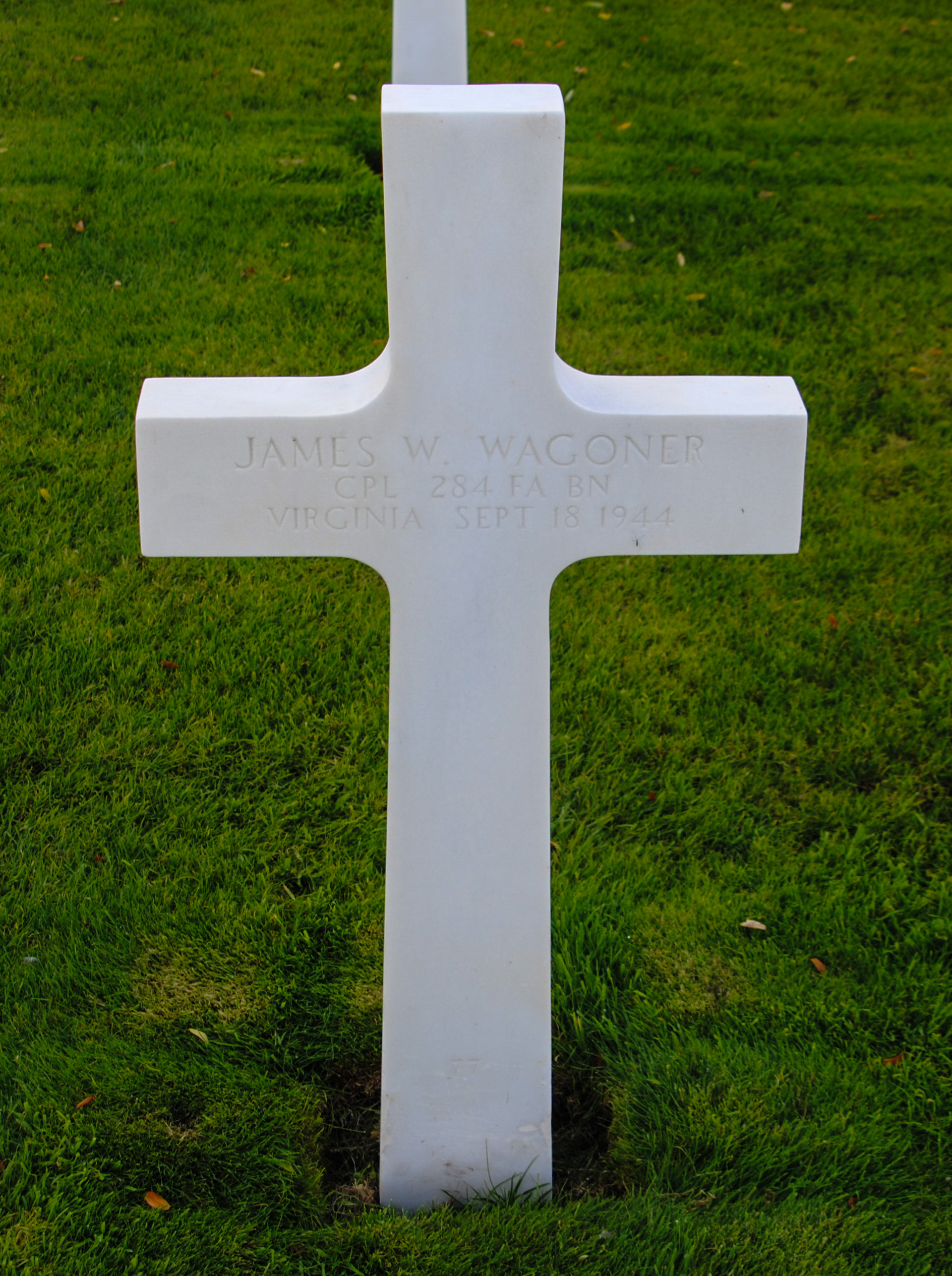
CPL. JAMES W.
WAGONER (listed as Cpl. James W. Wagner in the After-action Report), “A” Btry.,
aged 28 (14 June 1916),was killed in action on September 18, 1944. The battalion had just crossed the Moselle River and went into a position just east of the Metz highway and south
of the Voisage Farm, at the junction of the road, which wound down a hill to
Arry, France. At 1915 hours, the battalion area was shelled by German light
artillery. Several rounds of that fire impacted in he area of Battery “A” and
CPL. JAMES WAGONER was killed. Two other men were wounded. CPL. WAGONER is
buried in the Lorraine American Cemetery, St. Avold, France. He was awarded the
Purple Heart.
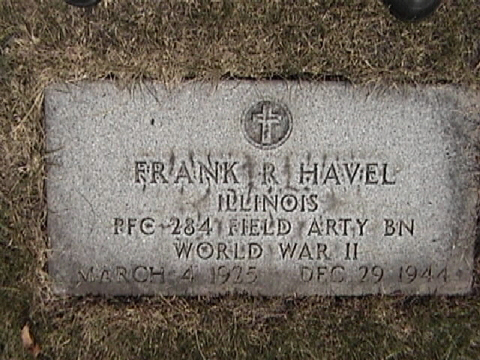
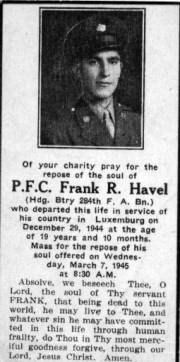
PFC. FRANK R. HAVEL, “HQ” Btry, aged 19 (4 March 1925), was killed in action on December 29, 1944. PFC HAVEL was with the 284th FA Bn up to December 17, 1944 at which time he was transferred to the 26th Infantry Division, 101st Regiment, as a replacement. PFC HAVEL was reported missing in action on December 29, 1944, and his badly crushed body was discovered on February 18, 1945 in Luxembourg. His body was interred in a U.S. Military Cemetery in Foy, Belgium, north of Bastogne, Belgium. Later, at his parents’ request, his body was returned to the United States, where he was buried in the Resurrection Cemetery, Justice, Illinois. At his parents’ request, and with the approval of the U.S. Army, his headstone reads that he was a member of the 284th FA Bn. PFC Havel was awarded the Purple Heart.
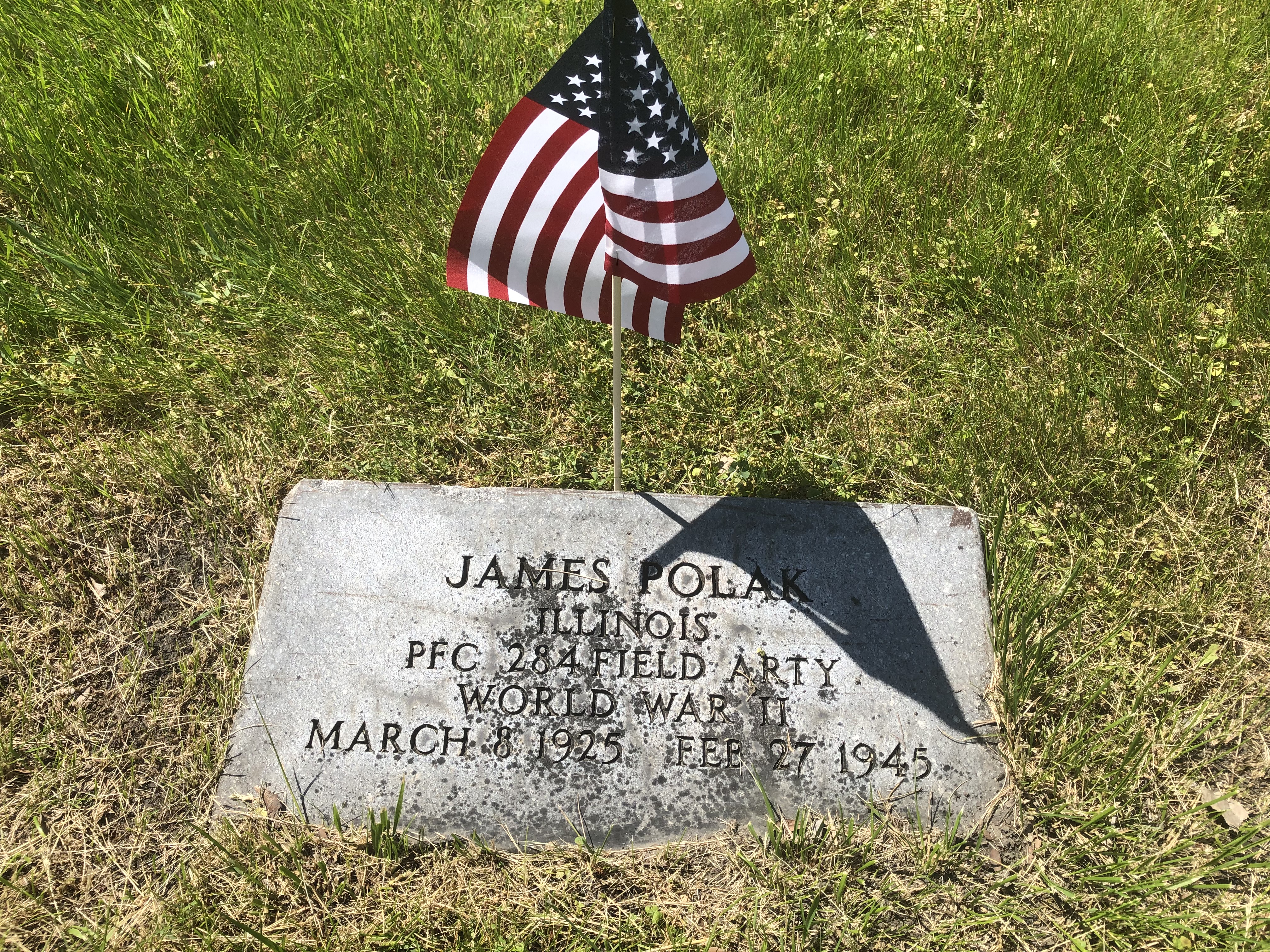
PFC JAMES
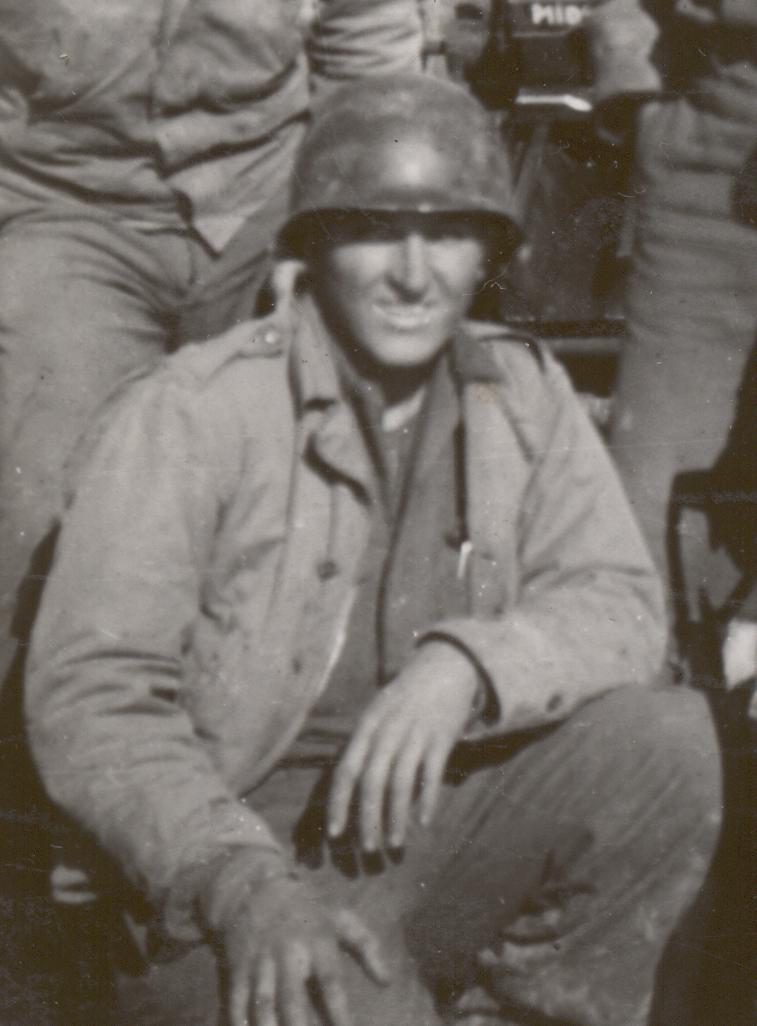
POLAK, Btry “A”, aged 19 (8 March 1925), was killed in action on February 27, 1945 near Serrig Germany.
The battalion was providing direct artillery support for the 5th Ranger
Battalion in a battle, near Hamm Germany, with the German SS 6th Mountain
Division. As a result of this battle, this German unit was almost completely
ruined as a fighting unit of the German Army. PFC POLAK is buried at Woodlawn
Cemetary, Forest Park, Illinois. PFC Polak was awarded the Purple Heart.
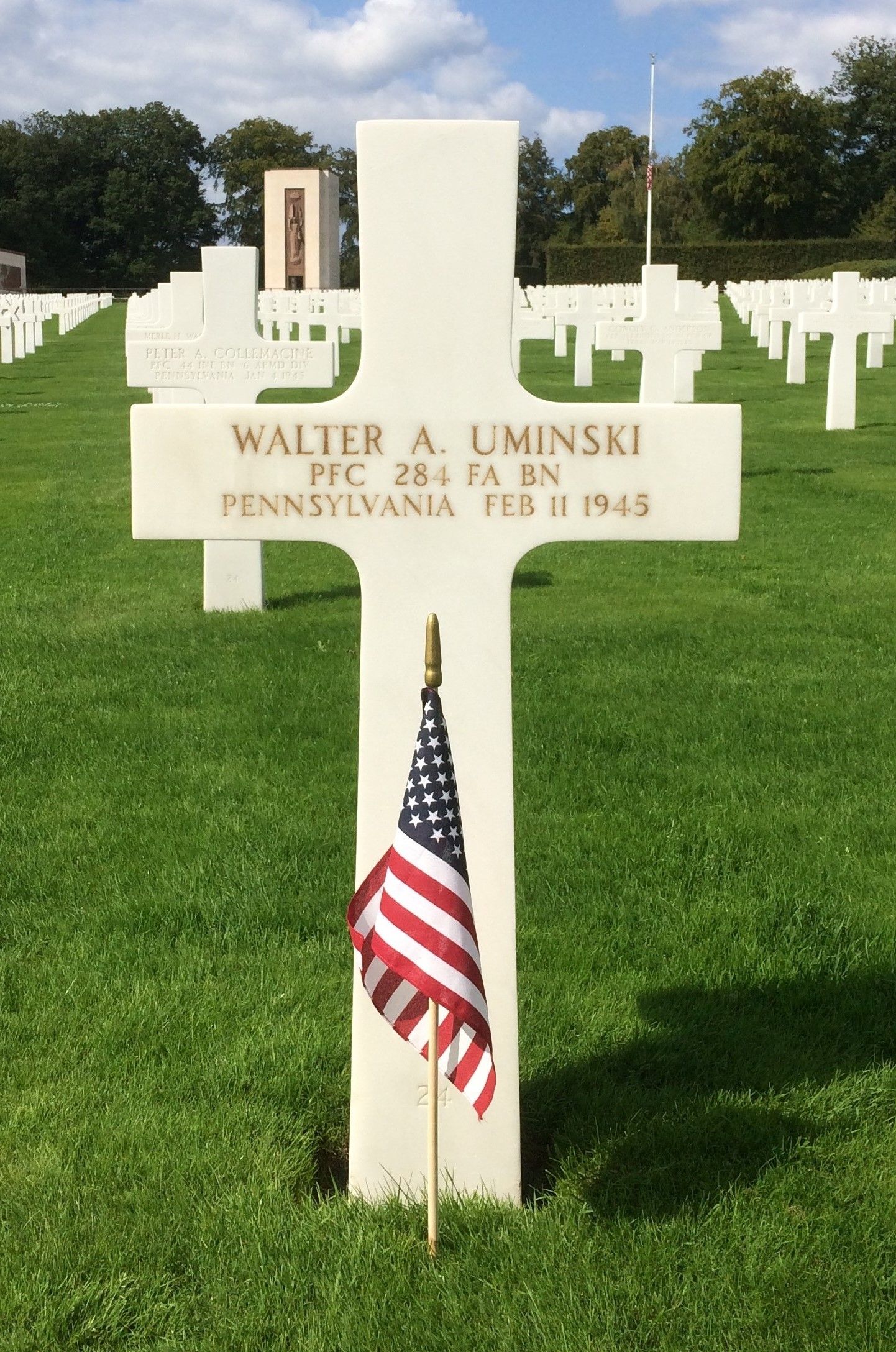
PFC WALTER A. UMINSKI, “C” Btry, aged 21 (1 March 1923), was killed in action on February 11, 1945 near Besch, Germany. The “C” Btry area was heavily shelled by German artillery, and PFC Uminski was instantly killed in this shelling. One other man was wounded during this shelling. PFC Uminski is buried in the Luxembourg American Cemetery, Luxembourg. He was awarded the Purple Heart. Photograph from Find A Grave website.
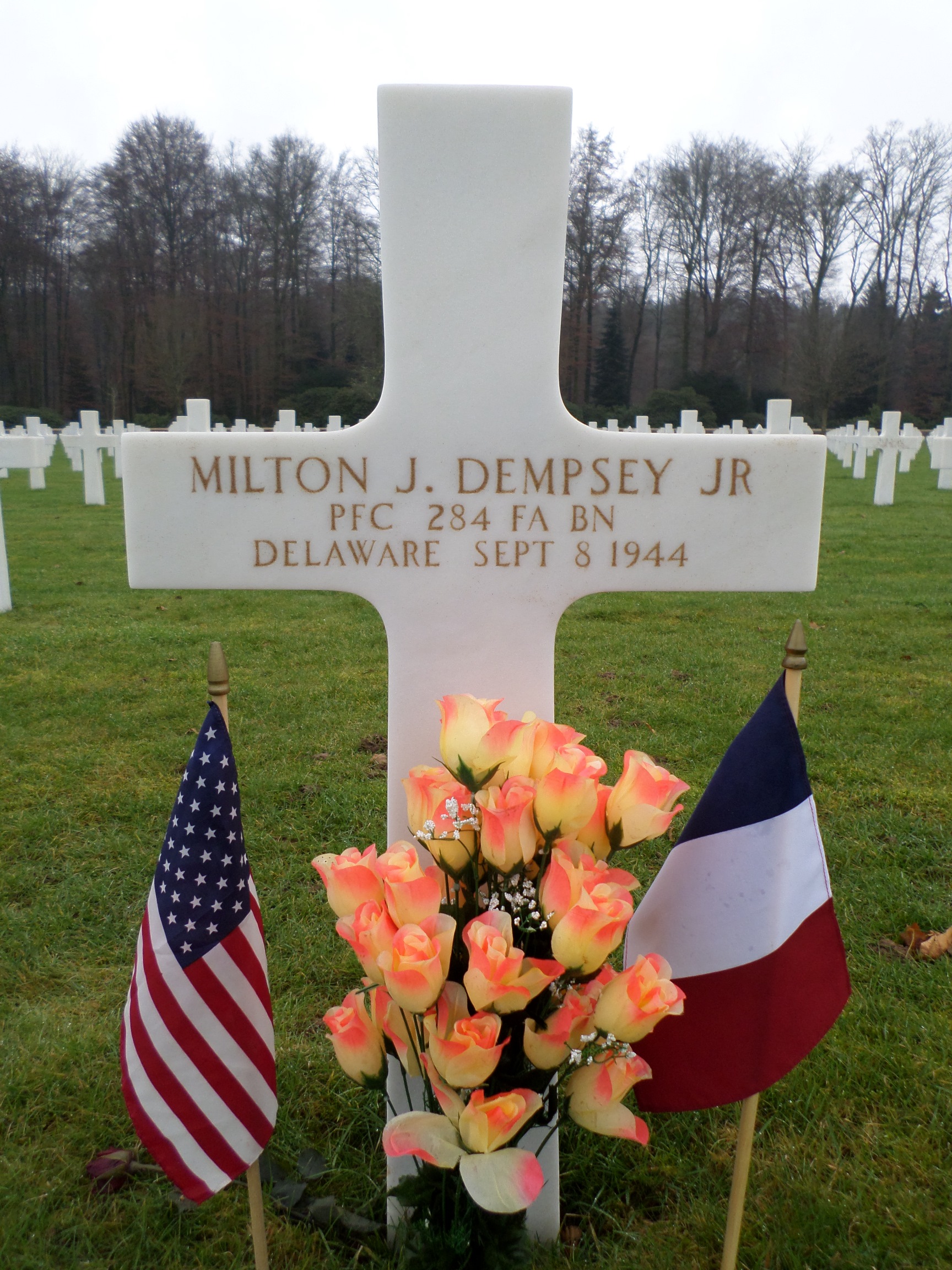
PFC MILTON J.
DEMPSEY, JR., “B” Btry’, aged 19 (17 July 1925), was killed in action on September 8, 1944 at St.
Catherine’s Farm, near Gorze, France. The battalion was supporting the crossing
of the Moselle River by the 5th Division. After firing in the late afternoon,
the battalion received its first counter-battery fire from German artillery.
Thirty (30) rounds of German “88 “ mm artillery rounds struck in the positions
of all firing battery areas, and PFC Dempsey was the only fatally injured man,
but 3 other men were wounded. PFC DEMPSEY is buried in Epinal American Cemetery,
France. He was awarded the Purple Heart.
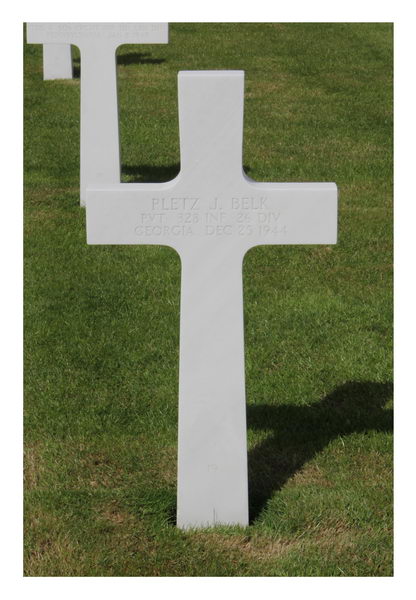
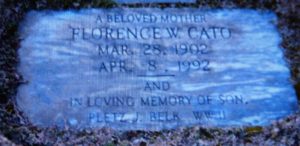
PVT PLETZ
JOSEPH
BELK. “C” Btry, aged 20 (11 February 1924), was transferred from the 284th FA Bn to the 328th Infantry
Regiment, 26th Division, on December 17, 1944. He was killed in action on
Christmas Day, 1944. He is buried in the Luxembourg American Cemetery,
Luxembourg. PVT Beltz was awarded the Purple Heart.
Pvt Pletz J. Belk - Honor Our KIA
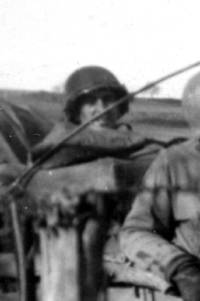
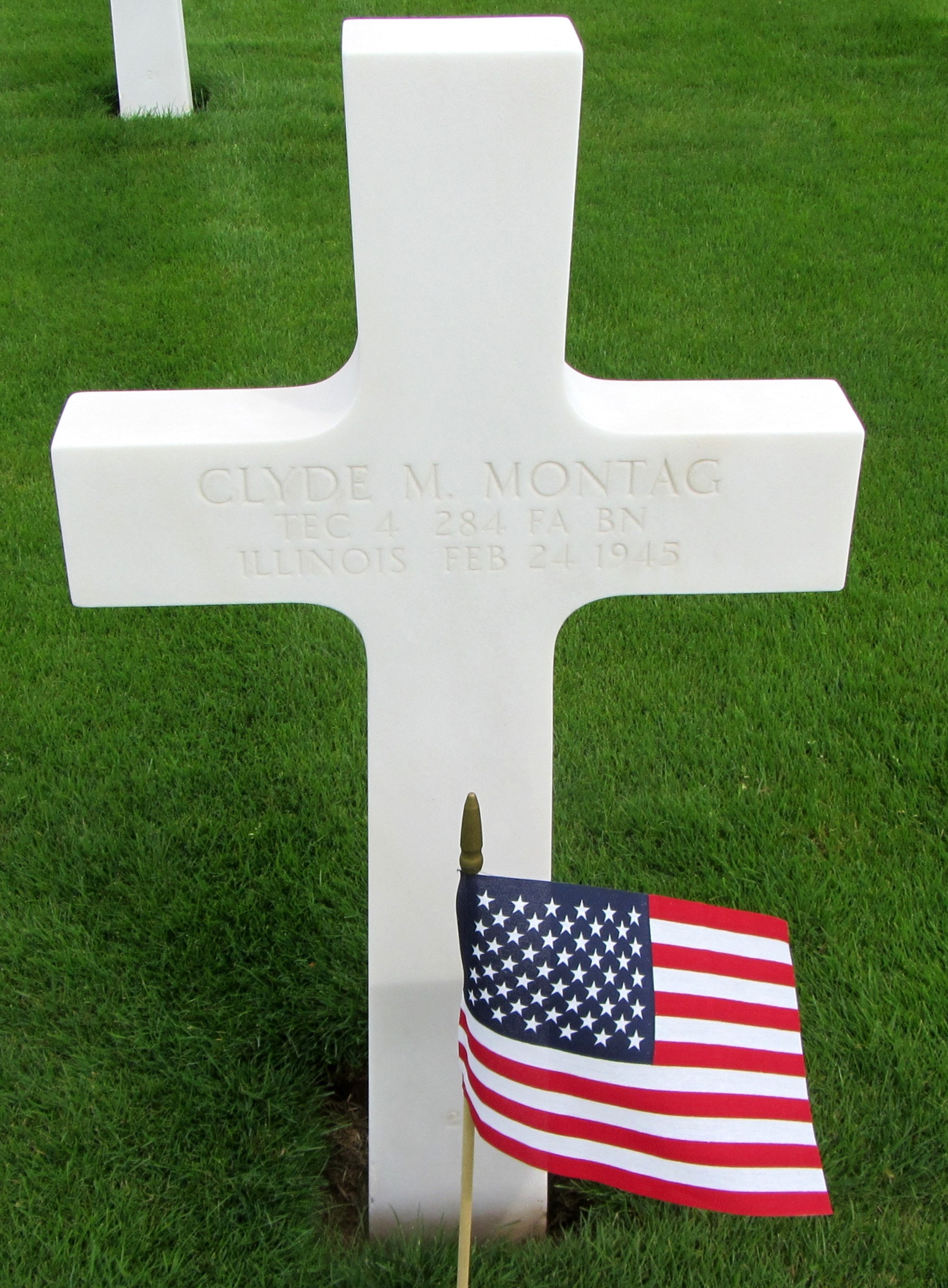
Tec. 4 CLYDE M. MONTAG, “C” Btry, aged 20 (12 Feb 1925), was killed in action on February 24, 1945 near Ober-Zerf, Germany. While providing direct artillery support to the 5th Ranger Battalion near Ober-Zerf, a direct hit by a German “88” round killed Tec/4 Montag instantly. As a result of this battle the German SS 6th Mountain Division was almost completely ruined as a fighting element of the German Army. Tec/4 Montag is buried in the Luxembourg American Cemetery, Luxembourg. Tec/4 Montag was awarded the Silver Star, and the Purple Heart Medals. Color photograph from Find A Grave website.
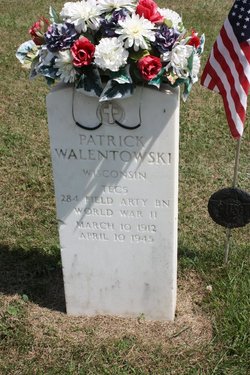
T/5 PATRICK
WALENTOWSKI, “HQ” Btry, aged 33 (10 March 1912) was killed in action on April 10, 1945, near Mulhausen,
Germany. The battalion lost nearly an entire liaison party in this action.
Several German aircraft, making a last ditch suicide flight, strafed the column
of the 3rd Cavalry Group, and dropped fragmentation bombs. The column halted,
and the personnel dispersed into the fields adjoining the road. One cluster of
bombs burst over the 284th Liaison, which was in the Cavalry column. T/5
Walentowski was killed, and three other men from the battalion were wounded.
T/5 Walentowski is buried in Elcho Township Cemetery, Langlade County, Village of Elcho, Wisconsin.
T/5 Walentowski was awarded the Purple Heart.
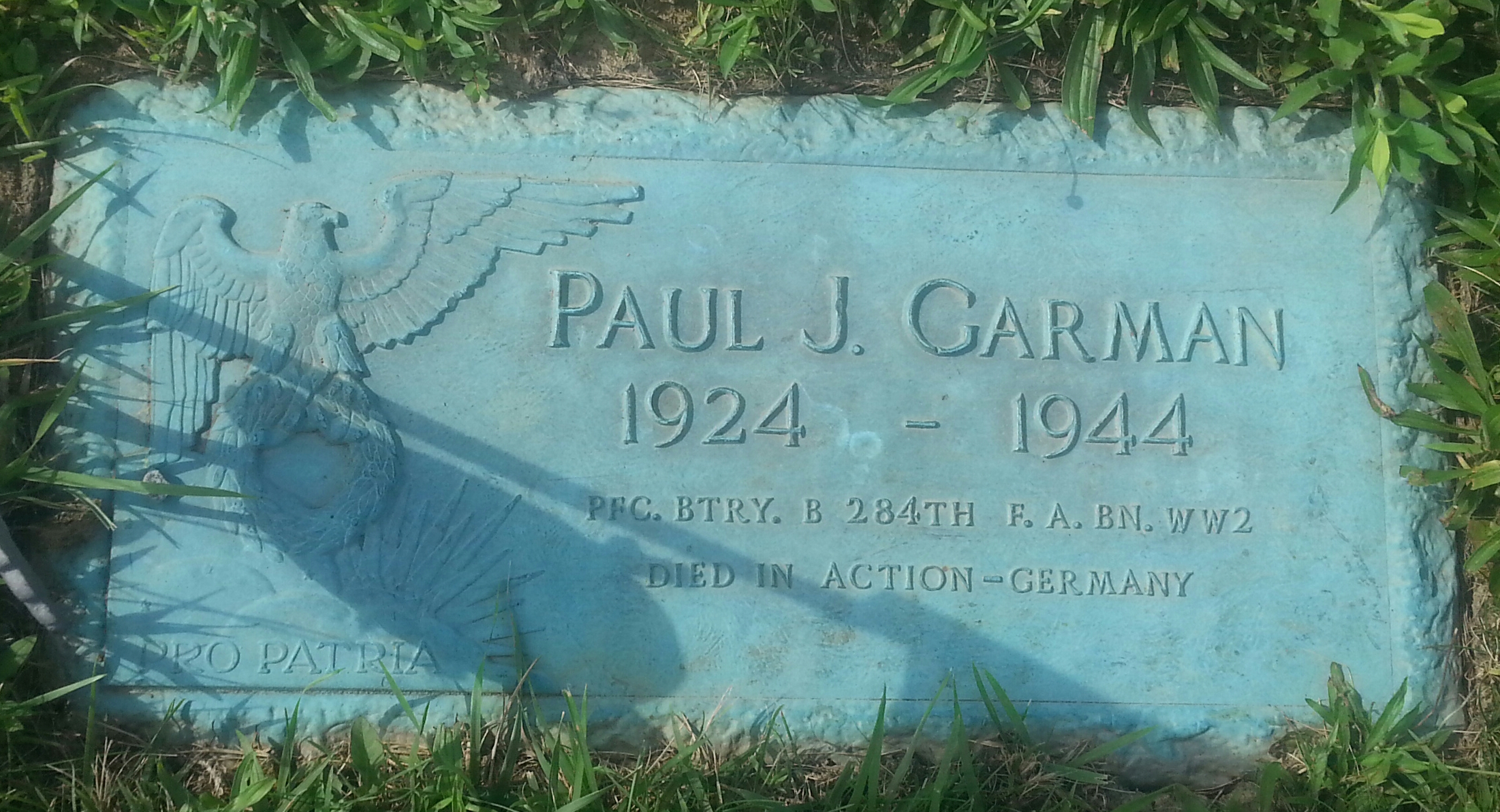
PFC PAUL
JAMES (P.J.)
GARMAN, “B” Btry, aged 20 (1 April 1924), was fatally wounded on December 13, 1944 in the area of
Picard, Germany, near Saarlautern. PFC Garman was hit by counter-battery fire,
which fell in the “B” Btry area. He was evacuated to a hospital where he died of
his injuries. He is buried in Green Lawn Memorial Park, Montgomery,
Pennsylvania. PFC Garman was
awarded the Purple Heart.
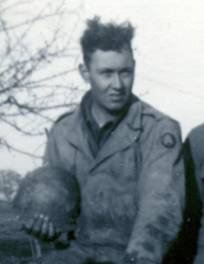
PFC CLARENCE H. TAMMEN, “A” Btry, aged 21 (6 March 1924), developed a throat infection while the unit was changing positions on April 21, 1945. He was transferred to a hospital on this same day, but died from Diphtheria on the next day. PFC Tammen is buried in the Luxembourg American Cemetery, Luxembourg. Below links are to an newspaper article, published in the Pontiac Leader, about the Tammen brothers who served all served in World War II. Two of the three brothers did not come home.
Tammen Pontiac Leader Article\Tammen Brothers Pontiac Leader.pdf
Tammen Pontiac Leader Article\Tammen Brothers Photo Exhibit.pdf
Tammen Pontiac Leader Article\Tammen Brothers Photographs.pdf
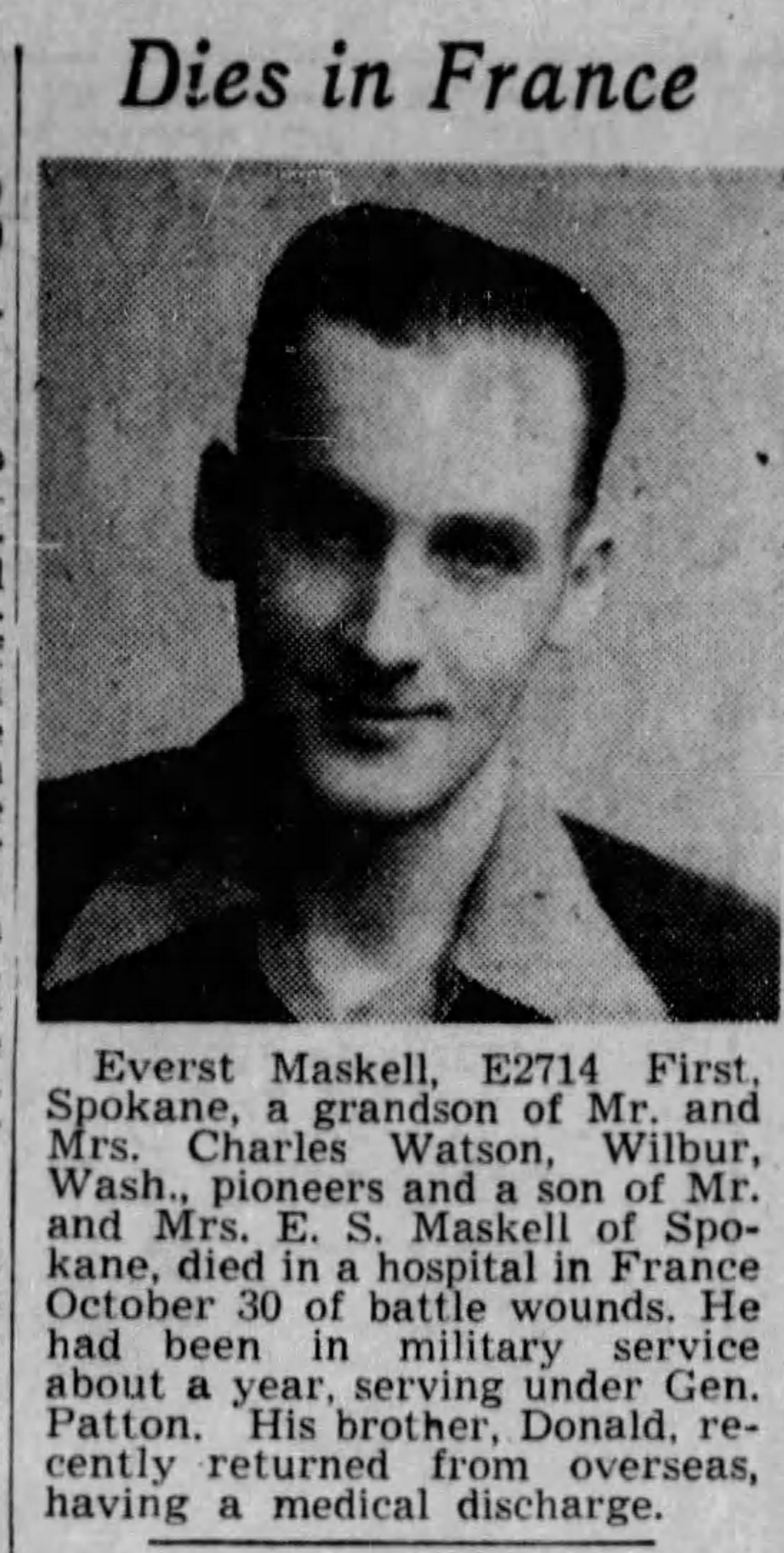
PVT EVEREST
MASKELL, “C” Btry, aged 26 (18 March 1918), was in a party to prepare advance positions near Mardigny,
France, on October 30, 1944. This detail received fire from the Metz forts and
this shelling mortally wounded PVT Maskell. He is buried in the Lorraine
American Cemetery in St. Avold, France. PVT Maskell received the Purple Heart.
These are the
only known facts which were extracted from several references. These included
the After-action reports, the “HELPMATE READY” publication., and unpublished
article by Ron Polson concerning health problems following the war, and from
Capt. Kittell’s published book. “I was Helpmate 12”.